Merging Worlds: Puzzle and Arcade Influences on Strategy and Adventure Games in Multiplayer Browser Settings
Geschrieben von Noah Lang · 19.8.2026
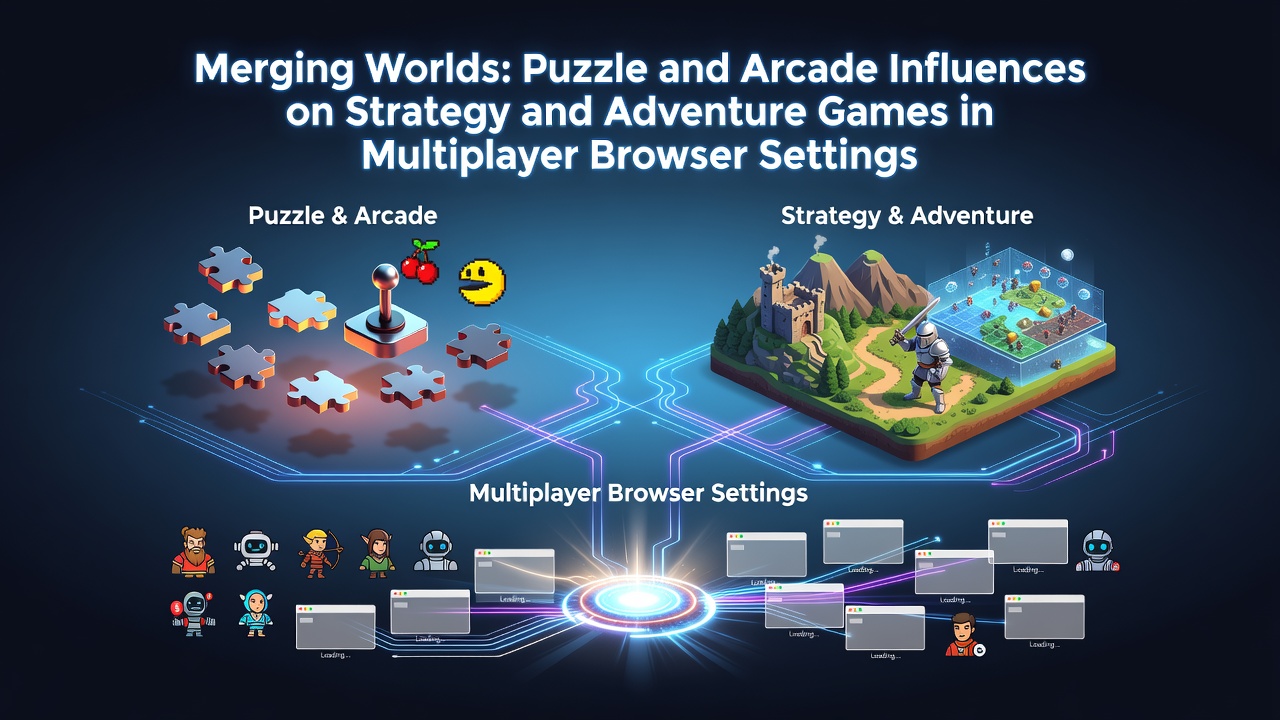
Merging Worlds: Puzzle and Arcade Influences on Strategy and Adventure Games in Multiplayer Browser Settings
Browser-based multiplayer games have incorporated puzzle mechanics and arcade scoring systems into strategy and adventure frameworks for years, and data from industry reports shows steady growth in hybrid titles through 2026. Researchers at various institutions track how match-three sequences and timed challenges alter resource management loops in real-time strategy sessions while players coordinate across different regions.
Historical Development of Genre Blending
Early browser platforms hosted simple arcade titles that rewarded quick reflexes and high scores, yet developers soon layered these elements onto strategy maps where players built bases and negotiated alliances. Arcade influences appear in combo multipliers that boost unit production rates, and puzzle components surface when players solve spatial arrangements to unlock new adventure paths during cooperative quests. Studies from the Interactive Software Federation of Europe indicate that such combinations increased average session lengths by measurable margins in multiplayer environments.
By the mid-2020s browser technologies supported persistent worlds that allowed puzzle solving to affect larger strategy outcomes, and one documented case involved players arranging tile patterns that triggered in-game events affecting entire alliances. Those patterns carried forward from single-player adventure roots into group settings where timing and coordination determined success rates.
Puzzle Mechanics in Strategy Contexts
Strategy games in browser settings now embed grid-based puzzles that players must complete to advance troop movements or secure territory advantages, and observers note these additions create decision points that blend logic with tactical planning. Data collected across European and North American servers reveals higher retention when puzzle layers require group input rather than solo effort. In August 2026 several platforms introduced updated APIs that improved synchronization for these shared puzzle tasks during large-scale events.
Adventure narratives gain depth when puzzle solutions reveal hidden lore or alternate routes, and players often discover that completing a sequence alters resource availability for the broader strategy layer. Research papers from Australian academic groups document how these integrations shift player behavior toward more collaborative problem solving in persistent sessions.
Arcade Elements Shaping Adventure Progression
Arcade scoring systems translate into adventure games through point multipliers earned during timed exploration segments, and these points convert into strategic advantages such as temporary buffs or faster cooldowns for group abilities. Multiplayer browser titles demonstrate that high-score chases encourage repeated runs while maintaining narrative continuity across sessions. Figures from Canadian trade analyses show measurable spikes in daily active users when arcade leaderboards tie directly into adventure milestones.
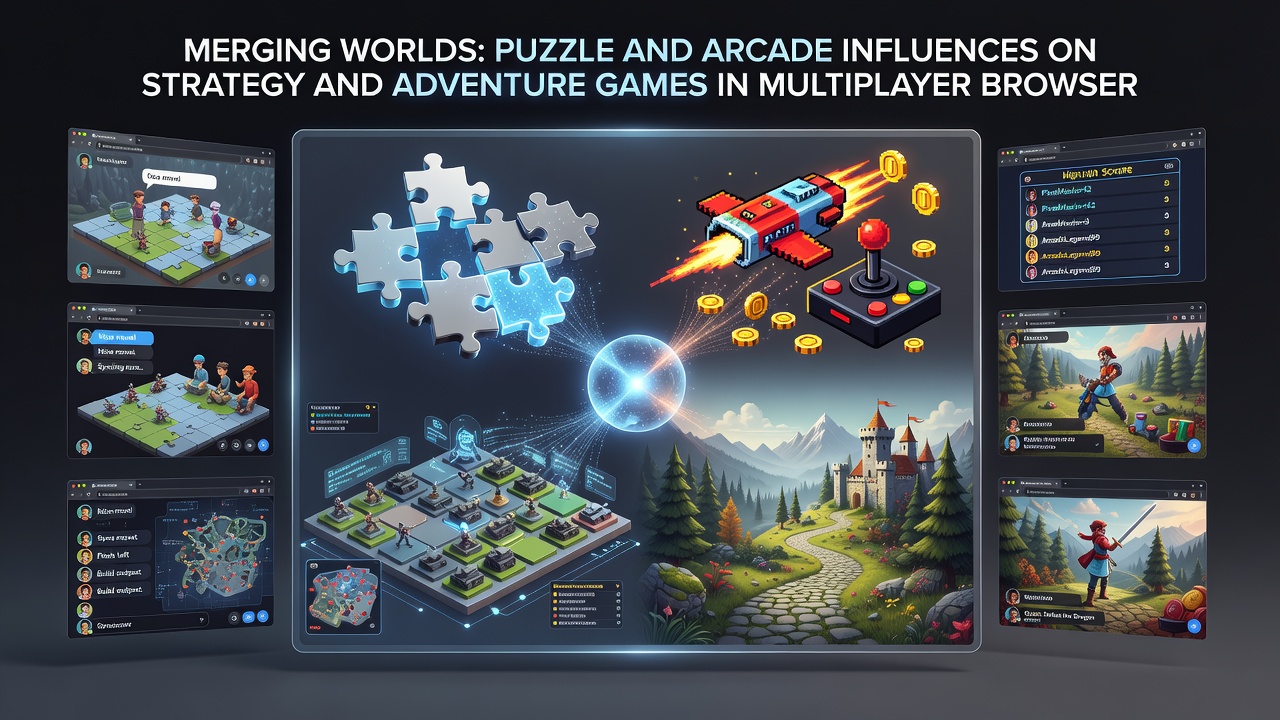
Turns out the combination keeps engagement consistent because short arcade bursts fit between longer strategy planning phases, and players report smoother transitions when visual feedback remains unified across both styles. What's interesting is how adventure branches expand when arcade performance thresholds unlock new puzzle variants for the team to tackle together.
Multiplayer Dynamics and Browser Limitations
Browser constraints historically limited complex interactions, yet advances in WebGL and real-time communication protocols enabled deeper merges of these genres without requiring downloads. Strategy games benefit when arcade reflexes resolve quick conflicts inside larger maps, and puzzle elements help balance asymmetric information among participants. Government statistics from Singapore's Infocomm Media Development Authority track rising participation in browser multiplayer titles that feature these hybrid systems through 2026.
One study revealed that groups using integrated mechanics completed adventure objectives faster than those relying on pure strategy or pure arcade approaches alone. Experts have observed that latency handling improved when puzzle resolutions occurred in phased turns rather than continuous real-time streams, allowing strategy layers to maintain coherence across variable connection qualities.
Case Examples from Current Platforms
Take one popular title where players solve color-matching puzzles to power unit upgrades during base defense rounds, and another where arcade-style chain reactions determine exploration success in shared story campaigns. These implementations demonstrate how influences flow both directions: strategy depth informs which puzzles appear, while arcade pacing controls how quickly adventure narratives advance. Industry reports compiled by the Entertainment Software Association highlight that such titles represent a growing segment of browser multiplayer traffic in multiple markets.
People who've examined server logs find that hybrid sessions produce distinct activity peaks around scheduled global events, and puzzle completion rates correlate with alliance stability metrics in strategy components. The reality is these patterns hold across different regions despite varying hardware access levels.
Conclusion
Browser multiplayer environments continue to serve as testing grounds for genre fusions where puzzle and arcade influences reshape strategy and adventure conventions. Data indicates these combinations support longer engagement cycles and broader accessibility through familiar mechanics. As platforms evolve in 2026 and beyond, the documented patterns suggest further refinement of how timing, logic, and narrative elements interact within group play sessions.